Accurate Parking Lot Painting for Maximum Visibility and Safety
Professional parking lot painting is vital for ensuring safety and visual clarity in active environments. Well-marked, precise lines help manage vehicle movement and decrease the chance of mishaps. Selecting high-visibility paints can additionally boost clarity, particularly when conditions are dim. Learning the details of expert painting services can generate notable advantages. Yet, the effects of these selections surpass simple visual appeal, raising concerns regarding enduring safety and economical value.
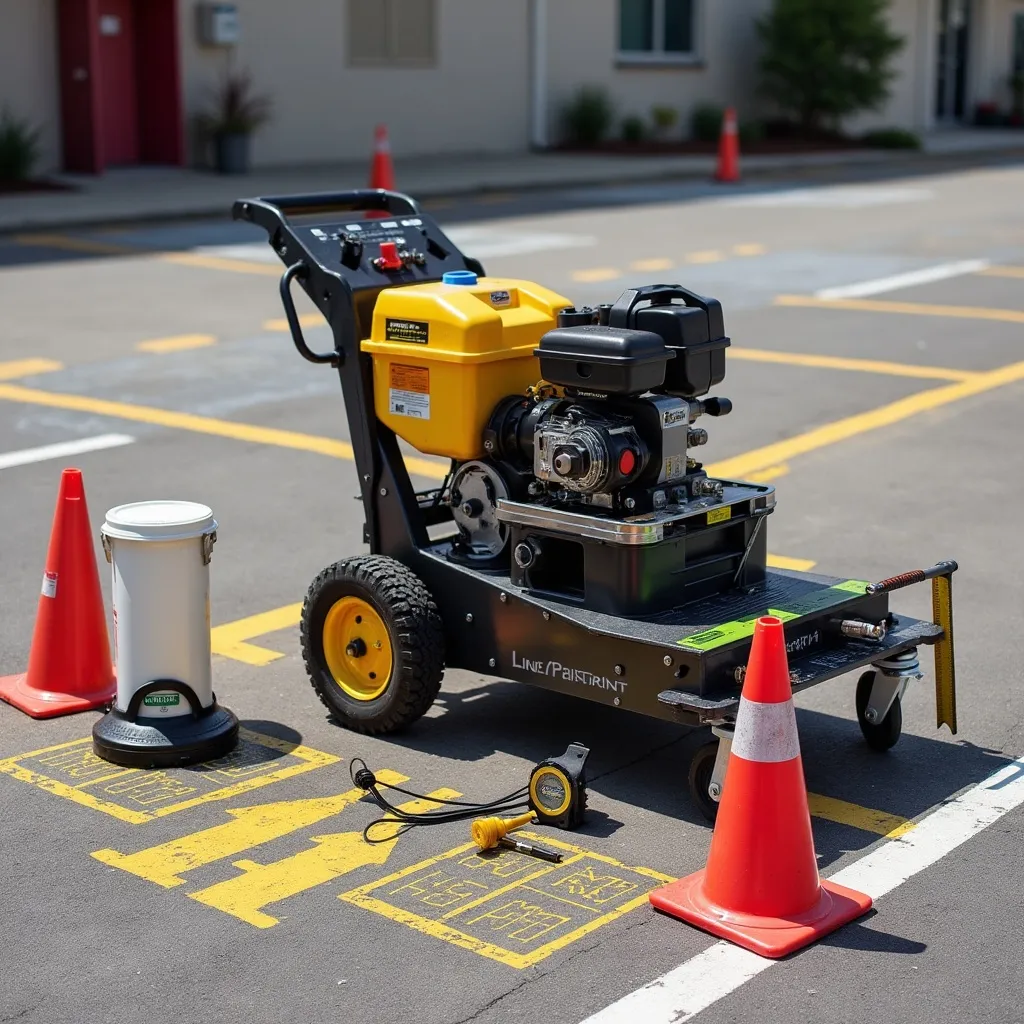
The Significance of Precision in Parking Lot Protection
Although often underestimated, precision in parking lot painting plays an essential role in maintaining safety for both drivers and pedestrians. Accurate markings help steer traffic and preserve order in busy environments. Well-defined lines delineate parking slots, movement lanes, and walking areas, reducing the risk of contact incidents and advancing an coordinated circulation of traffic.
Accurate lines enhance visibility, especially during dim lighting. Distinct, well-defined markings are essential for drivers to quickly identify available spaces supplementary information and travel securely. Also, the correct application of colors and symbols is vital; for example, blue markings indicate accessible parking, while yellow and white fulfill different purposes.
Neglecting accuracy can lead to confusion, higher accidents, and potential liability issues for property holders. As a result, investing in careful parking lot painting is not just an aesthetic choice but a fundamental aspect of public safety.
Key Strengths of Specialized Parking Lot Paint Services
Professional parking facility painting services bring multiple advantages that go beyond simple aesthetics. One noteworthy advantage is better safety; clear and well-defined markings help direct traffic flow, lowering the chance of accidents. In addition, these services enhance visibility, particularly during nighttime or inclement weather, ensuring that drivers and pedestrians can safely navigate the space.
A further advantage is conformity with local regulations. Professional painters are knowledgeable about the regulatory requirements and codes, making certain that parking lots adhere to safety requirements. This can prevent costly penalties and legal exposure for property owners.
Moreover, professionally painted lines and symbols can improve the overall aesthetic of the property, creating a friendly environment for customers. This can boost business reputation and draw in more visitors. Finally, using superior, resilient materials prolongs the life of the markings, decreasing the need for constant repairs and cutting costs in the long run.
Ideal Materials for Efficient Parking Lot Painting
Effective parking lot striping depends on superior ingredients that ensure durability and clarity. The selection of paint plays a crucial role; acrylic-based water paints are favored for their quick curing and low environmental effect. In opposition, oil-based paints supply improved durability but take longer drying periods. Reflective additives can improve visibility, particularly at nighttime, making them a useful addition to any paint mix.
Line striping thermoplastics are gaining acceptance for their durability and resistance to wear, providing a distinct and permanent demarcation of spaces. Additionally, proper primers should be utilized to promote ideal adhesion to different surfaces, including asphalt and concrete. The application of high-quality sealers can safeguard painted lines from fading due to environmental conditions and vehicular wear. Ultimately, choosing the appropriate products is essential for achieving effective and long-lasting parking lot markings that improve order and security.
Enhancing Driver Recognition Via Visibility
When operators can clearly see parking lot markings, their safety and awareness improve considerably. High-visibility paint improves the definition of lines, symbols, and directional arrows, making it easier for operators to traverse intricate parking layouts. This clarity decreases the chances of accidents resulting from misunderstanding or misinterpretation of spaces. Well-defined markings also encourage adherence to traffic rules, such as yielding to pedestrians and keeping adequate spacing between vehicles.
Moreover, judicious use of colors can further strengthen visibility. For example, bright yellow or white markings become visible against asphalt surfaces, especially in low-light conditions. This superior visibility supports a safer environment for both motorists and pedestrians, curtailing the probability of collisions. Ultimately, putting resources toward precision parking lot painting not only sharpens driver awareness but also contributes to a more organized and efficient parking experience, fostering overall safety in the area.
Maintenance Guidance for Long-Lasting Parking Lot Paint
Using a pressure washer or a suitable cleaning solution can successfully revive the surface's condition.|Preserving parking lot paint is important for maintaining visibility and promoting protection. Consistent evaluations|Routine inspections are necessary; operators should look for deterioration, cracking, or flaking|deterioration, cracking, or flaking paint that may diminish legibility|diminish legibility. Cleaning the surface routinely|Regularly maintaining the pavement helps remove|extract dirt, oil, and debris|grime, residue, and waste which can impact adhesion and durability|affect bonding and lifespan. Applying a power washing system|Applying a power washing system or a appropriate cleaner|appropriate cleaner can efficiently restore|successfully improve the surface's appearance|surface's appearance.|Protecting parking lot paint is vital for keeping visibility clear|maintaining visual clarity and promoting safety|promoting safety. Regular assessments|Regular assessments are essential|essential operators must assess|assess fading, chipping, or peeling|worn, cracked, or deteriorated paint that might obscure markings|impair visibility. Cleaning surfaces on a regular basis|Cleaning surfaces on a regular basis helps get rid of|clear away dust, grease, and waste|dust, grease, and waste that can reduce durability and adhesion|reduce durability and adhesion. Using a pressure washer|Using a pressure washer or a proper cleaning agent|an appropriate cleaning solution can successfully restore|effectively recover the surface's condition|the surface's condition.|Caring for parking lot paint is vital for sustaining visibility and promoting safety. Periodic evaluations are necessary; operators should identify discoloration, cracking, or flaking paint that could obscure markings. Regularly washing the pavement helps eliminate dirt, oil, and debris which can harm adhesion and lifespan. Using a power washer or a suitable cleaning product can effectively enhance parking lot appearance.
In addition, using a sealant can protect painted lines from the elements, strengthening durability against climate challenges and heavy vehicle use. It is recommended to schedule repainting every two to three years, depending on surface damage, to preserve sharp lines and clear markings. Moreover, selecting high-quality, reflective paint can deliver better longevity relative to standard options. By following these maintenance strategies, property owners can confirm that their parking lot remains safe and visible for all users, reducing the risk of accidents and improving overall functionality.
Why Investing in Quality Parking Lot Painting Reduces Your Financial Burden?
Premium parking lot painting is a worthwhile investment that ultimately produces cost savings. By picking excellent materials and professional services, property owners can verify that the markings stay visible and durable for prolonged periods. This longevity lowers the need for frequent repainting, which can be both time-intensive and pricey.
Additionally, well-marked parking zones strengthen well-being and reduce liability risks. Sharp markings and specific spots minimize perplexity among drivers, diminishing the likelihood of mishaps. This proactive approach can prevent high legal fees and insurance payouts.
Furthermore, attractive and well-maintained parking lots can improve property value and customer perception. A visually appealing lot invites more visitors, potentially increasing revenue for businesses. Essentially, investing in quality parking lot painting not only reduces ongoing maintenance expenses but also cultivates a safer, more inviting environment, ultimately delivering substantial financial savings.
Frequently Posed Questions People Ask
How many times Should I Repaint My Parking Lot Lines?
Parking lot lines typically need to be recoated every 1 to 2 years, depending on environmental factors and deterioration. Routine maintenance guarantees clear visibility, boosting safety for both vehicles and pedestrians in the parking area.
What Ecological Consequences Does Parking Area Paint Have?
The environmental impacts of parking lot paint encompass potential VOC emissions, which can worsen air pollution, and chemical-laden runoff that may damage local ecosystems. Selecting sustainable alternatives can considerably diminish these negative effects.
Is It Feasible to Coat My Parking Space Lines Myself?
Yes, an individual can apply parking lot lines themselves. However, they should take into account local regulations, use appropriate materials, and guarantee correct techniques for durability and visibility to achieve polished results.
What Safety Protocols Are Applied During Painting?
During paint work, safety measures include using bright safety vests, cones to mark work areas, adequate air circulation to manage vapors, ensuring equipment is in good condition, and adhering to local regulations for signage and traffic management.
What Effect Does Weather Have on Parking Lot Painting Projects?
Weather considerably affects parking lot painting projects. Rain can postpone drying times, while extreme temperatures may impact paint adhesion and durability. Windy conditions can lead to overspray, hindering precision and overall quality of the finished work.